Care and Craft: A Practical Guide to Washing and Maintaining Linen Bedding
A concise, editorial-style guide that blends timeless wisdom with modern know-how, helping you extend the life and love of linen sheets and pillowcases. This piece weaves care routines with historical context, featuring insights from three notable figures across time who celebrated textiles, craft, and the art of turning rough-hewn fibers into everyday luxury.
Linen is more than fabric; it’s a daily ritual that ages gracefully. Its natural breathability, moisture management, and textured patina make linen bedding a timeless staple. Yet, like any beloved item, it rewards careful handling. The goal is simple: preserve the fabric’s integrity, maintain its drape, and enjoy a sleep surface that grows softer and more comfortable with every wash. Below, you’ll find practical, step-by-step guidance organized as a care calendar you can keep on your fridge or in a printable notebook.
Why linen ages gracefully—and how washing sustains that aging
Linen fibers—made from flax—are known for their strength and natural texture. When cared for properly, linen bedding develops a relaxed drape that feels cooler against the skin and improves with age. The very reasons people choose linen—temperature regulation, moisture-wicking, and a crisp hand—also demand respectful treatment in the washing drum. Harsh temperatures, aggressive detergents, and overload can weaken fibers, dull the texture, and shorten the life of your linens. A thoughtful washing routine respects the fabric’s biology: linen loves a gentle touch, a cooler mood, and a patient rhythm.
Three key figures who shaped our understanding of textiles
1) Florence Nightingale (1820–1910): the nurse who championed clean, durable textiles for patient care
Nightingale’s era was marked by a meticulous attention to cleanliness and the quality of the tools that support daily life. In the context of linen care, her emphasis on durability and practicality maps onto contemporary advice: treat linens with mild detergents, avoid aggressive bleaching agents, and ensure fabrics are thoroughly rinsed. Her legacy reminds us that textiles in healthful spaces contribute to well-being, not just aesthetics.
2) Elsie de Wolfe (1865–1950): pioneer of modern upholstery and textiles in interior spaces
De Wolfe understood that textiles are an interior ecosystem. She championed textures that age gracefully and layered pattern with practical restraint. In linen care terms, her philosophy translates into selecting a simple, robust routine—clean lines for care, minimal chemical intervention, and letting the fabric’s natural character shine through with time.
3) Anni Albers (1899–1994): iconic textile artist who celebrated the process of weaving and the disciplined care of materials
Albers reminds us that technique matters. Her reverence for process—how a material is woven, finished, and handled—echoes in today’s care protocols: pre-washing to remove starches, choosing a wash temperature that respects fiber integrity, and finishing touches that protect the fabric’s structure. Her perspective invites us to think of linen care as a craft, not a chore.
A practical washing regimen for linen bedding
Below is a clear, repeatable routine. It is designed to be inclusive—whether you own a petite apartment or a high-capacity laundry setup. The steps are organized into a weekly rhythm, with seasonal tweaks where relevant. The aim is to keep linen sheets and pillowcases crisp, comfortable, and long-lasting.
1) Start with a gentle wash mindset
- Sort linen bedding with similar colors to minimize dye transfer.
- Use a mild, enzyme-free detergent to protect fiber integrity. Avoid bluing agents unless recommended by the detergent manufacturer for white linens.
- Turn items inside out to reduce friction and pilling on decorative edges or hems.
2) Temperature and wash cycle
- Wash linen at a cool-to-warm temperature, typically 30°C to 40°C (86°F to 104°F). Higher temperatures can accelerate wear over time, especially on blends with synthetics.
- Choose a gentle or normal cycle with a longer, slower agitation. Linen benefits from a steady, patient wash rather than a brisk, aggressive one.
- Avoid heavy-duty stain pre-treatments that rely on aggressive chemicals; opt for mild, fabric-safe stain removers when necessary.
3) Rinse, spin, and dry with care
- Ensure the rinse cycle is thorough; extra rinses can help remove any detergent residues that can irritate sensitive skin or leave a dull film on fabric.
- Avoid overloading the machine. Linen needs space to move so fibers can shed dirt and water efficiently.
- Line-drying is ideal when possible, but a low-heat tumble dry can be acceptable if you remove items promptly while still slightly damp to prevent excessive wrinkling.
4) The pressing and folding ritual
- Press linen while it's slightly damp for best results, or use a low-heat iron with steam. If you are ironing a dark or colored item, iron on the reverse side to preserve color depth.
- Air out items before storing to discourage mustiness and reduce the need for frequent washing.
- Store linen in a cool, dry place away from direct sunlight to preserve color and fiber strength.
Seasonal care and long-term maintenance
Seasonality brings different humidity, heat, and wear patterns. Summer linens often benefit from more frequent washing due to perspiration, but the same gentle approach applies: colder cycles can be gentler on fibers, while warm cycles may be used sparingly for deeper cleaning. In winter, higher humidity indoors can contribute to odor retention, so extended air-drying or a light refresh cycle can help maintain freshness without compromising fiber health.
Seasonal care calendar
- Spring: Refresh linen sets; inspect hems and seams for wear after several cycles. Consider washing with a touch of vinegar to neutralize any musty odors from storage.
- Summer: Prioritize breathable cycles at 30–40°C. Consider line-drying to preserve the fabric's natural texture and energy efficiency.
- Autumn: Prepare for dryer use if needed; check fabric weight and adjust drying time to avoid overdrying.
- Winter: Ensure linen dries fully to avoid damp, then store in dryness-regulated spaces. Use airing out days to keep fibers flexible.
Quick-reference care cues and troubleshooting
When linen missteps occur, a few practical fixes can help restore the fabric’s look and feel:
- Wrinkles: Linen tends to wrinkle. To minimize, remove promptly from the dryer while still slightly damp, or iron on a low to medium setting with steam. A lightweight spray of water can help ease stubborn creases.
- Wrinkled hems or edges: If hems look uneven after washing, re-press along the edge with a pressing cloth to preserve the neat line without scorching.
- Color fading or dye transfer: Use a gentle color-safe detergent and avoid high heat that can set stains or dull color. For whites, a whitening rinse can help maintain brightness in gentle cycles, as directed by product labels.
- Mustiness or odors: Air-dry thoroughly and consider a brief wash with a small amount of white vinegar in the rinse cycle to neutralize odors without affecting fiber integrity.
A curated product moment: Riverside Tablerunner
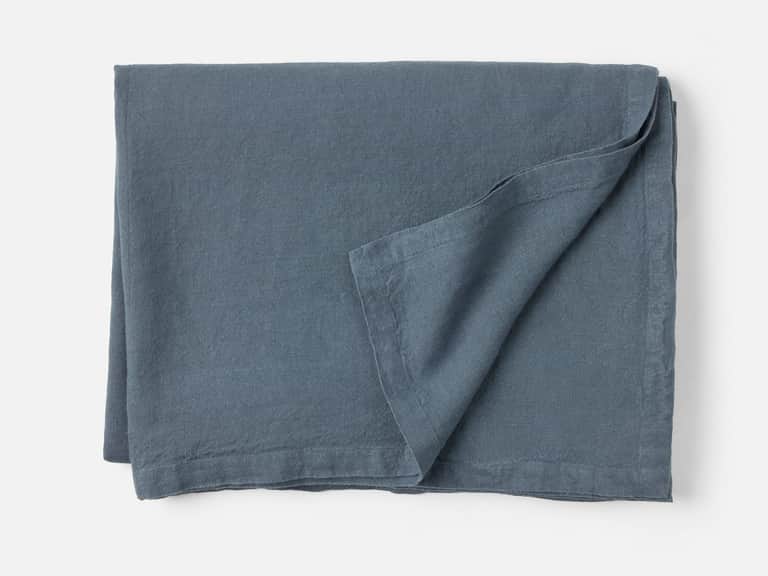
To illustrate the practical, everyday application of linen in dining and hospitality settings, consider the Riverside Tablerunner—a linen-polyester blend designed for easy care and a natural texture. This piece embodies the balance between premium feel and pragmatic upkeep, offering a tabletop option that mirrors linen’s timeless appeal without demanding specialized care. The product combines 60% linen and 40% polyester, yielding a textured hand that’s forgiving in daily use. Care guidance recommends unfolding before washing, avoiding overload, washing up to 60°C with a mild soap, line drying if possible, or tumble drying on medium heat. Iron the inside when slightly damp to minimize wrinkles. Priced at 78.00, it serves as a tangible example of how linen-inspired textiles can be aligned with practical home routines.
Shopper-friendly note: Riverside Tablerunner is a compelling bridge between high-quality linen aesthetics and everyday maintenance. It demonstrates how a linen-forward textile can meet the needs of busy kitchens, casual dining spaces, and hospitality environments without sacrificing the tactile pleasure that linen brings to the table.
Conclusion: embracing care as a craft
Caring for linen bedding is a small but meaningful ritual that honors the fabric’s origin, its weathered texture, and the quiet luxury of a cool, crisp sleep surface. By treating linen with a gentle wash, mindful drying, and careful pressing, you invite a lifetime of comfort, resilience, and character. The figures highlighted—Nightingale, De Wolfe, and Anni Albers—remind us that textiles live at the intersection of care, design, and craft. They show that thoughtful maintenance is, in essence, a modern form of artistry. And in the end, that is what linen bedding deserves: steadfast care, patient hands, and a design sensibility that ages as gracefully as the fabric itself.
Printable care checklist
- Sort by color and weight
- Use mild detergent; avoid bleach
- Wash 30–40°C on gentle cycle
- Rinse thoroughly; avoid overloading
- Line-dry preferred; tumble dry low if needed
- Iron on inside if damp; store in dry place
Seasonal care cadence
- Spring: refresh and inspect
- Summer: prioritize breathability
- Autumn: prepare for dryness and weight
- Winter: ensure complete dryness before storage
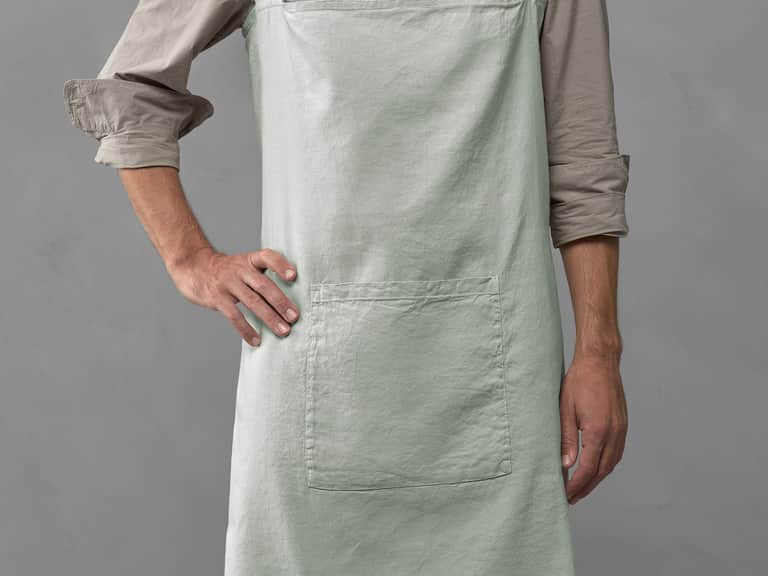
Note: For product reference, the Riverside Tablerunner (id 5093) demonstrates an accessible, easy-care textile example aligned with linen-inspired aesthetics. Other items in related categories, such as the Mojave Organic Linen Tablecloth (id 4784) and Den Apron (id 5424), offer complementary perspectives on fabric care and everyday textile use across dining and kitchen settings. Images shown are for reference only and will appear when viewed in a media-enabled environment.